
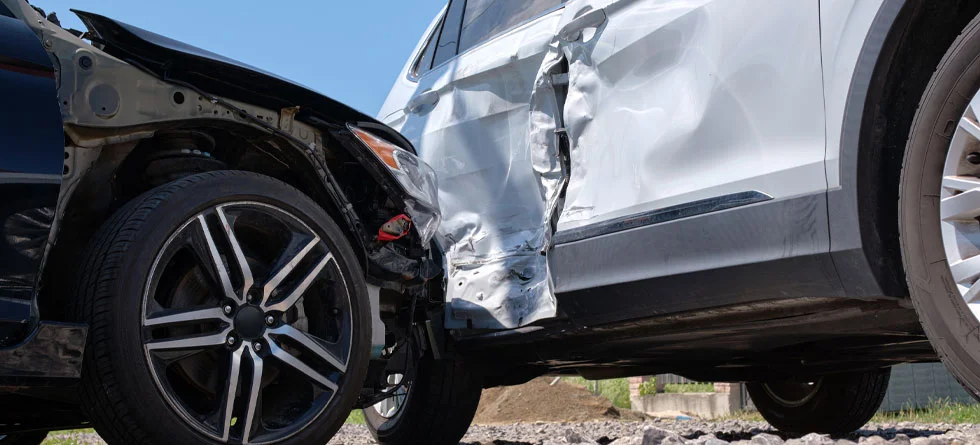
A car accident can leave you managing medical appointments, vehicle repairs, and time away from work. Questions about responsibility and insurance can add to that burden. Kopit Law Firm represents people injured in car accidents throughout the Kansas City metro in Missouri and Kansas.
Understanding a claim starts with the circumstances of the crash, the injuries, and the coverage that may apply. Where the accident happened and where the policies were issued can affect that review. An attorney can explain the available options and help you decide how to proceed.
Founding attorney Michael Kopit is licensed in Missouri and Kansas. Before representing injured individuals, he defended businesses and insurance companies in liability matters. That experience informs his approach to evaluating evidence, preparing claims, and addressing disputed issues.
Clients work directly with Michael. He reviews the circumstances of the accident, explains the issues that may affect the claim, and discusses possible next steps. The firm offers free consultations for people seeking help after a car accident.

A claim can involve several sources of information: a crash report, medical records, photographs, witness accounts, and insurance policies. Kopit Law Firm can help by:
If an accident also raises questions about coverage or payment, the firm can evaluate the related auto-insurance dispute. Additional information is available for truck accidents, motorcycle accidents, and bicycle, e-bike, and scooter accidents.
Determining what caused a crash requires a review of the evidence. On Kansas City streets and highways, including I-70, I-35, and I-435, the relevant circumstances may include:
A crash may have more than one contributing cause. Photographs, witnesses, vehicle data, and, when needed, an accident reconstruction specialist can help clarify what happened. A claim involving a public road or public entity may also raise distinct liability and notice issues that require individual review.
Car accidents can cause injuries ranging from temporary discomfort to lasting disability. Examples include:
If you have symptoms or concerns after a crash, consider a prompt evaluation by a healthcare professional. Your provider can advise about treatment and follow-up care. Medical decisions should reflect your health needs. Records of symptoms, care, and any changes to a pre-existing condition can also help an attorney evaluate the injury claim.
Safety and medical needs come first. When circumstances allow, these steps may help document the accident and clarify the claim:
Requests from your own insurer may involve policy duties that differ from requests from another driver's insurer. An attorney can review those duties and any response dates. Reviewing a release or payment's terms can also help clarify which claims it would settle and whether other coverage could be affected.
A crash report may include a diagram, statements, witness information, and observations about road or weather conditions. It can be useful evidence, but its contents may need to be considered alongside photographs, medical records, and other information.
Reports are generally requested from the agency that investigated the crash. For a Highway Patrol investigation, see the Missouri State Highway Patrol's records request information. For other crashes, the investigating police department or highway patrol can explain its process. Reporting obligations and access to a report vary by jurisdiction and circumstances; an attorney can help identify the relevant agency and review potential errors or omissions.
Missouri and Kansas have different rules that can affect an accident claim. The applicable law may depend on more than the location of the crash, particularly when insurance policies or people from both states are involved.
Comparative fault. Missouri generally uses pure comparative fault, which can reduce damages according to an injured person's share of responsibility. Kansas uses a modified comparative-fault system under Kansas's comparative-negligence statute. Recovery generally requires the injured person's fault to be less than the combined fault of the parties against whom the claim is made, with damages reduced by the injured person's share. How fault is compared and which parties are included require review of the particular claim.
Insurance benefits. Kansas generally requires personal injury protection, or PIP, in covered auto policies. PIP can provide certain medical and wage-loss benefits without a determination of fault, subject to eligibility, limits, and other requirements. Additional rules may affect a claim for pain and suffering. Missouri policies may include optional medical-payments coverage. Uninsured or underinsured motorist coverage may also be relevant, depending on the policy and applicable law.
Filing and notice periods. Many Kansas negligence claims are subject to a two-year limitations period under Kansas's injury-claim limitations statute, while many Missouri personal injury claims are subject to a five-year period under Missouri's personal injury limitations statute. These are general starting points. The type of claim, when it accrues, exceptions, and the applicable law can change the calculation. Wrongful death, insurance claims, and claims involving public entities may have different deadlines or notice requirements. An attorney can identify the dates relevant to your circumstances.
If a crash was fatal, the firm can also evaluate whether an eligible family member may have a wrongful death claim.
The losses that may be recoverable depend on the facts, evidence, and applicable law. They can include:
Evaluating a claim involves more than adding medical bills. The severity and duration of the injury, proof of responsibility, available insurance, and any allocation of fault can affect its potential value. Michael can review those factors and discuss the strengths, uncertainties, and possible paths to resolution. An estimate is specific to the available information and cannot promise an outcome.
Discuss your car accident questions with Kopit Law Firm.
Call Us: (816) 878-4400
Fault depends on the evidence about how the accident happened. A review may include the crash report, witness accounts, photographs, traffic rules, and vehicle information. More than one person or organization may share responsibility, and Missouri and Kansas apply different comparative-fault rules.
The deadline depends on the claim and applicable law. Many Kansas negligence claims have a two-year limitations period, and many Missouri personal injury claims have a five-year period. Accrual rules, exceptions, insurance requirements, and public-entity notices can affect the relevant dates. A review of your circumstances is needed to calculate them.
Sharing some responsibility may affect eligibility for compensation and the amount recoverable. Missouri generally reduces damages under pure comparative fault. Kansas applies a modified system that may bar recovery depending on the allocation of fault. An attorney can assess the evidence and explain how the applicable rules may affect the claim.
Uninsured motorist coverage may apply if the responsible driver has no liability insurance. Underinsured motorist coverage may be relevant when that driver has insufficient insurance. Eligibility, benefits, exclusions, and any notice or settlement requirements depend on the policy, facts, and applicable law. Learn more about uninsured and underinsured motorist claims.
The answer depends on who is requesting it and any duties under your policy. Your own insurer may have cooperation requirements. An attorney can help you understand the request, prepare an accurate response, and address timing. Consider seeking advice if you are unsure about a statement, authorization, release, or settlement payment.
Potential value depends on the injury, medical expenses, lost income, effects on daily life, evidence of responsibility, and available sources of recovery. Michael can evaluate the information and discuss a reasonable assessment. Each claim has its own circumstances, and an assessment is not a guarantee of a settlement or verdict.
If you were injured in a car accident in greater Kansas City, Kopit Law Firm can evaluate your circumstances and explain potential next steps. Michael Kopit is licensed in Missouri and Kansas and works directly with clients. Schedule a free consultation or call (816) 878-4400.
Fields marked with an * are required

Disclaimer: The choice of a lawyer is an important decision and should not be based solely upon advertisements. The information on this website is not intended to create, and receipt or viewing does not constitute, an attorney-client relationship. Contacting us through this website does not establish an attorney-client relationship. Confidential or time-sensitive information should not be sent using this website. The information you obtain on this website is not, nor is it intended to be, legal advice. By contrast, it is provided for informational purposes only. You should consult an attorney for individual advice regarding your own situation. Kopit Law Firm expressly disclaims all liability in respect to actions taken or not taken based on any or all contents of this website. Past results do not guarantee future outcomes. Every case is different and depends on its own facts and circumstances.
Copyright © 2026 Kopit Law Firm. All Rights Reserved.
Disclaimer |
Site Map |
Privacy Policy |
Site developed by

*Images are obtained under license from Canva and other third-party stock image providers, with attribution included where required.