
Auto-insurance disputes can involve questions about coverage, valuation, documentation, timing, or policy obligations. Kopit Law Firm evaluates auto-insurance claims and coverage issues for clients in Missouri and Kansas.
A dispute may concern a denial, a payment amount, a request for additional records, or how different policies apply after an accident. Understanding the policy and the reason for the disagreement can help identify appropriate next steps. Coverage and rights depend on the policy, the facts, and the applicable law.
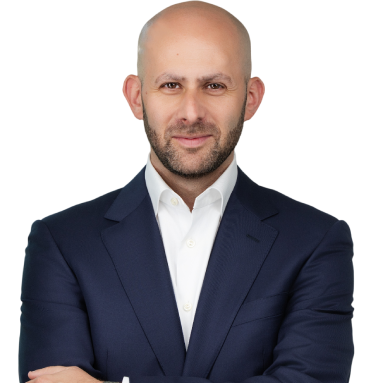
Founding attorney Michael Kopit is licensed in Missouri and Kansas. He previously defended businesses and insurance companies in liability matters. His experience informs his review of policy language, claim documentation, and the evidence relevant to a coverage or payment dispute.
Clients work directly with Michael. He can review the insurer's stated position, explain the issues that need further investigation, and discuss available options. Kopit Law Firm offers free consultations about auto-insurance claims and related disputes.
A policy's declarations page, endorsements, exclusions, and claim conditions can all affect a coverage question. A review may involve:
The appropriate approach depends on the issue. Some disagreements may be addressed through additional documentation or clarification; others may require a legal claim. If the dispute follows a crash, the firm can also review the related car accident injury claim.
A claim involving the Kansas City metro may raise questions about which state's law governs the accident and which law governs the policy. Those questions can have different answers. The policy's wording, where it was issued, and the circumstances of the claim may all be relevant.
Missouri generally requires uninsured motorist coverage in auto liability policies subject to Missouri's uninsured motorist statute. Underinsured motorist coverage is distinct and depends on the coverage purchased and policy terms. The Missouri Department of Revenue's insurance information explains the state's minimum requirements.
Kansas addresses uninsured and underinsured motorist coverage in Kansas's UM/UIM statute. Coverage amounts and any permitted rejection of higher limits require review of the policy and related forms. Kansas also generally requires personal injury protection, or PIP, for covered vehicles. PIP can provide certain medical and wage-loss benefits regardless of fault, subject to eligibility, limits, and policy and statutory requirements.
These differences provide a starting point for review. Whether a particular loss is covered or a benefit is owed requires an assessment of the policy and circumstances.
A written explanation can help identify whether the disagreement concerns coverage, the amount of a loss, or missing information. For example, a vehicle valuation dispute may involve repair estimates or comparable vehicles, while an injury claim may require additional medical or wage records.
Depending on the circumstances, it may be helpful to:
Decisions about medical treatment belong with you and your healthcare providers. An attorney can help organize existing records and explain how they relate to the claim. Legal advice can also help clarify cooperation obligations and response dates without assuming that every request or denial is improper.
Uninsured motorist coverage, often called UM, may provide benefits when a legally responsible driver lacks liability insurance. Depending on the policy and law, it may also apply to some hit-and-run accidents. Underinsured motorist coverage, or UIM, may provide benefits when the responsible driver's insurance is insufficient under the applicable coverage rules.
These claims are generally made under a policy covering the injured person. A review may address who qualifies as an insured, the applicable limits, exclusions, offsets, and the evidence of responsibility and loss. A difference between the available liability insurance and the amount of an injury claim does not by itself establish UIM entitlement.
Stacking means combining limits from more than one applicable coverage. Missouri UM coverage may permit stacking in circumstances where other coverages would not. Missouri UIM questions depend heavily on policy language and applicable decisions. Kansas generally restricts combining UM/UIM limits. The answer requires review of each policy, the insured person's status, and the governing law.
A proposed settlement with a responsible driver may affect a potential UIM claim. Kansas has specific notice and insurer-response procedures under its UM/UIM statute, and policy provisions may also be relevant. An attorney can review the proposed agreement and explain any applicable steps and timing before a settlement is finalized.
After a fatal crash, policy benefits and a possible wrongful death claim may require separate analysis of who is entitled to pursue each claim.
A disagreement about coverage or value does not, by itself, establish bad faith. Evaluating a potential claim requires attention to the insurer's obligations, the information available, and its reasons for the decision. Remedies also differ between a claim for benefits under your own policy and a claim involving an insurer's handling of a lawsuit against its insured.
In Missouri, the vexatious-refusal statute may permit additional damages and attorney fees for a qualifying refusal to pay without reasonable cause or excuse. The statute excludes automobile liability insurance, and its availability in other insurance disputes depends on the coverage involved, statutory requirements, and evidence.
In Kansas, the insurance attorney-fee statute may allow a court to award attorney fees in qualifying policy actions involving refusal to pay without just cause or excuse. A separate claim concerning an insurer's handling of a defense or settlement requires its own analysis. Missouri and Kansas remedies are not interchangeable.
Michael can evaluate whether the policy, claim history, and applicable law support pursuing a coverage claim or an additional remedy. That review may also identify a reasonable basis for the insurer's position or information needed to assess it.
An examination under oath, or EUO, is a sworn question-and-answer process an insurer may request under a policy. It differs from an ordinary recorded statement. The policy and applicable law affect whether an EUO is required, its permissible scope, and the consequences of failing to satisfy a valid obligation.
If you receive an EUO request, consider speaking with counsel about the notice, requested documents, and preparation. Kopit Law Firm can review the request, help prepare a client, and provide representation when appropriate. Learn more about the firm's examination-under-oath services.
A review may involve the other driver's liability coverage, UM or UIM, medical-payments coverage, PIP, or additional policies. Which coverage applies and how benefits interact depend on the policies, the loss, and applicable law.
Policy limits generally define the maximum payable under a particular coverage, subject to its terms and governing law. The total value of a claim and possible sources of recovery require a broader review. Other applicable policies, responsible parties, offsets, liens, and reimbursement obligations may affect the overall assessment.
Michael can review the available documents and discuss what is supported, what remains uncertain, and whether more information is needed before evaluating a proposed resolution.
Notice, proof-of-loss, cooperation, and lawsuit deadlines can arise from different sources. The deadline for an injury lawsuit may differ from the deadline for a claim under an insurance policy. Policy provisions may also be affected by statutory requirements and court decisions.
Continued discussions or an internal review may not extend a filing period. An attorney can evaluate the type of claim, when it arose, any enforceable policy requirements, and possible exceptions. A review of the actual documents is more useful than applying a general injury deadline to every insurance dispute.
Discuss your auto-insurance questions with Kopit Law Firm.
Call Us: (816) 878-4400
The next step depends on the reason given and the policy terms. Keeping the written explanation and supporting documents can help with a review. An attorney can assess whether further information, reconsideration, negotiation, or a legal claim may be appropriate, along with any response or filing deadlines.
UM may apply when a responsible driver is uninsured; UIM may apply when that driver has insufficient liability coverage under the policy and governing law. Coverage is subject to eligibility, terms, limits, and other requirements. Stacking, offsets, hit-and-run claims, and settlement notice procedures can differ between Missouri and Kansas.
A denial alone does not establish bad faith. The analysis depends on the policy, the insurer's obligations, the facts, and the applicable law. Missouri vexatious-refusal remedies, Kansas statutory attorney fees, and claims concerning defense or settlement obligations have different requirements. An attorney can evaluate which, if any, may apply.
Consider who is asking, the purpose of the request, and any policy obligations. Your own policy may require cooperation. An attorney can help clarify the scope and timing of a request and help you prepare an accurate response. The same individual review is useful for medical authorizations, releases, and proposed settlement payments.
An EUO is a sworn interview an insurer may request under a policy. The policy and applicable law determine the relevant obligations. Counsel can review the notice, requested documents, and scope, help you prepare, and advise about participation. See the firm's examination-under-oath services.
Insurance claims can involve notice, proof-of-loss, and lawsuit deadlines that differ from personal injury deadlines. The policy, claim type, governing law, and possible exceptions need review. An insurer's ongoing evaluation may not extend those periods. Michael can assess the documents and explain the dates that may apply.
If you have questions about an auto-insurance denial, payment, or policy obligation, Kopit Law Firm can evaluate the documents and discuss available options. Michael Kopit is licensed in Missouri and Kansas and works directly with clients. Schedule a free consultation or call (816) 878-4400.
Fields marked with an * are required

Disclaimer: The choice of a lawyer is an important decision and should not be based solely upon advertisements. The information on this website is not intended to create, and receipt or viewing does not constitute, an attorney-client relationship. Contacting us through this website does not establish an attorney-client relationship. Confidential or time-sensitive information should not be sent using this website. The information you obtain on this website is not, nor is it intended to be, legal advice. By contrast, it is provided for informational purposes only. You should consult an attorney for individual advice regarding your own situation. Kopit Law Firm expressly disclaims all liability in respect to actions taken or not taken based on any or all contents of this website. Past results do not guarantee future outcomes. Every case is different and depends on its own facts and circumstances.
Copyright © 2026 Kopit Law Firm. All Rights Reserved.
Disclaimer |
Site Map |
Privacy Policy |
Site developed by

*Images are obtained under license from Canva and other third-party stock image providers, with attribution included where required.